
Laser Welding Machines for Battery Cells, Modules & Packs
Find the right machine configuration for your connection materials, joint design and production requirements.
- Choose equipment around your battery design
- Review sample welding requirements before selection
- Plan tooling, positioning and quality checks together
Which Welding Configuration Fits Your Product?
Start with your battery drawing, connection materials and target output. The right choice depends on the working area, weld access, positioning method and complete production cycle.
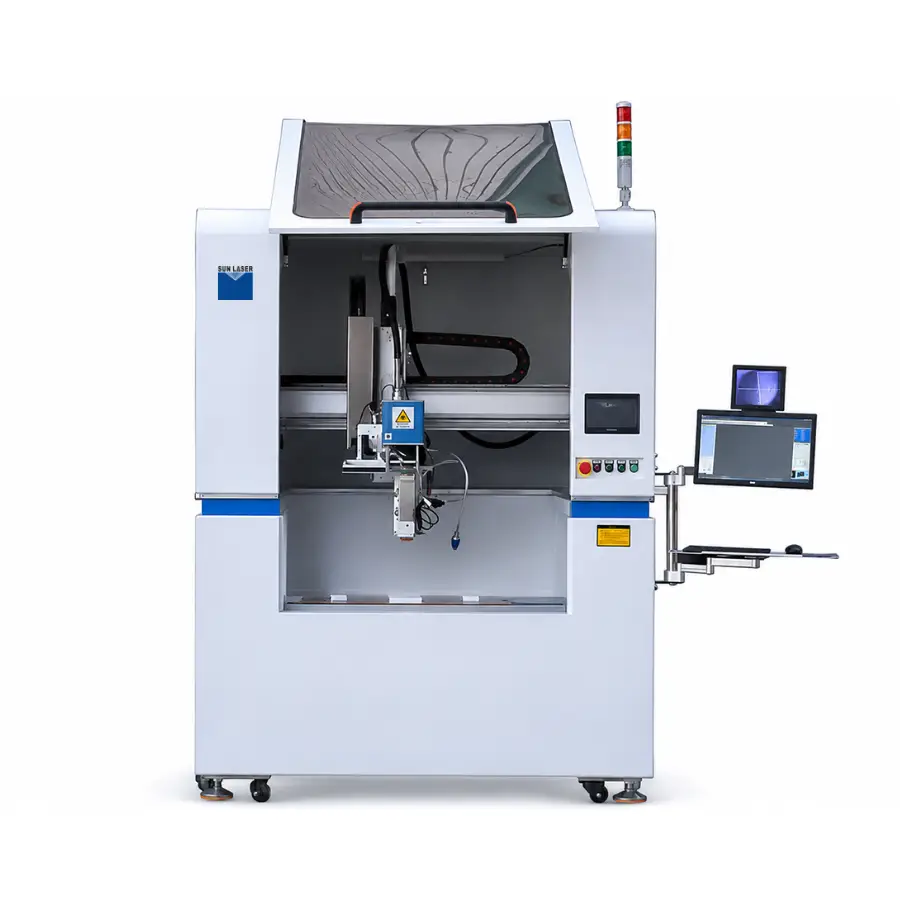
Gantry Welding Machine
Consider a gantry configuration around your part dimensions, weld positions and fixture layout. Review travel, joint access and the loading method against your product drawing.
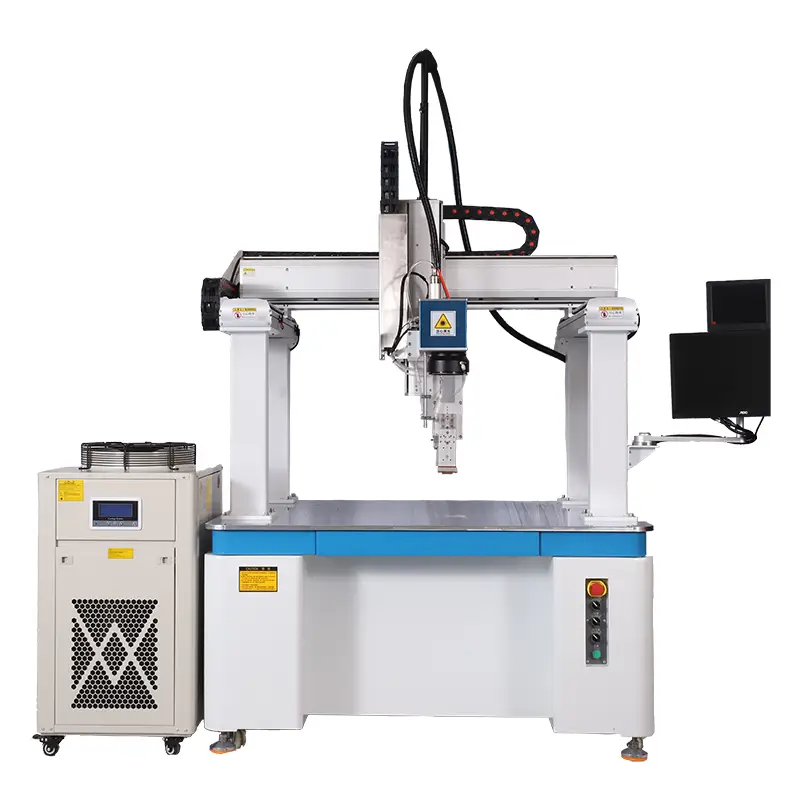
Galvanometer Welding Machine
Review beam scanning for weld locations within a defined working field. Confirm field size, joint access and the complete product cycle before selecting a configuration.
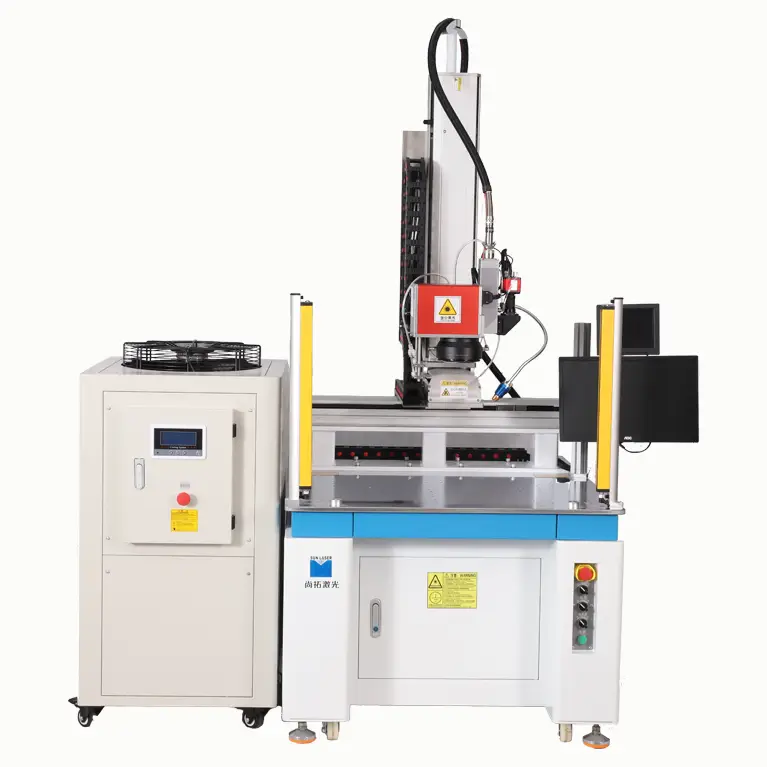
3-Axis Laser Welding Machine
Review three-axis movement for programmed welding paths. Confirm axis travel, fixtures and product changeover requirements for the battery models you intend to manufacture.
Plan the Machine, Tooling & Quality Checks Together
Match Your Battery Design
Review your battery dimensions, connection layout and joint access. Define the working area and fixture requirements before confirming the machine configuration.
Plan Product Changeovers
Identify the battery models you intend to manufacture. Clarify which changes require new fixtures, positioning adjustments or a different welding program.
Agree on Acceptance Criteria
Define how the connection will be evaluated. Discuss weld appearance and, where applicable, strength, electrical resistance or section checks before acceptance.
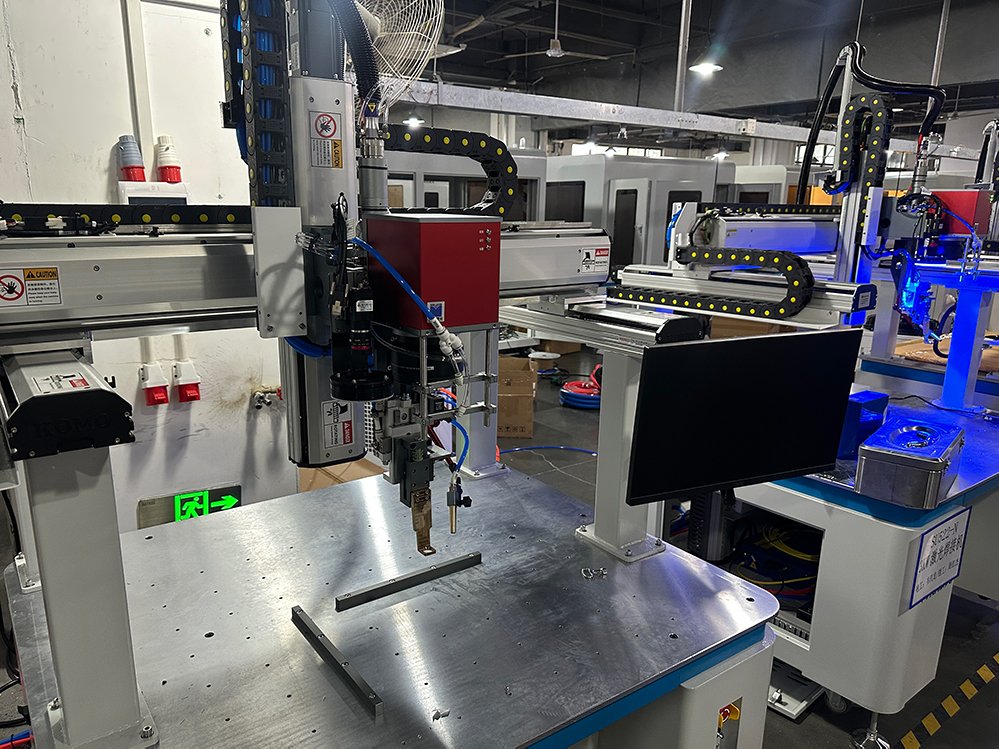
See a Real Battery PACK Line Project in India
Cell: 280Ah – 314Ah
Automation: Semi-Automatic
Output: 8 PPM
Service: Layout / Installation / Training / Commissioning
This reference project shows a delivered PACK production line. Ask which welding stations and process requirements are relevant to your own application. Any customer-site visit is subject to customer approval and availability.
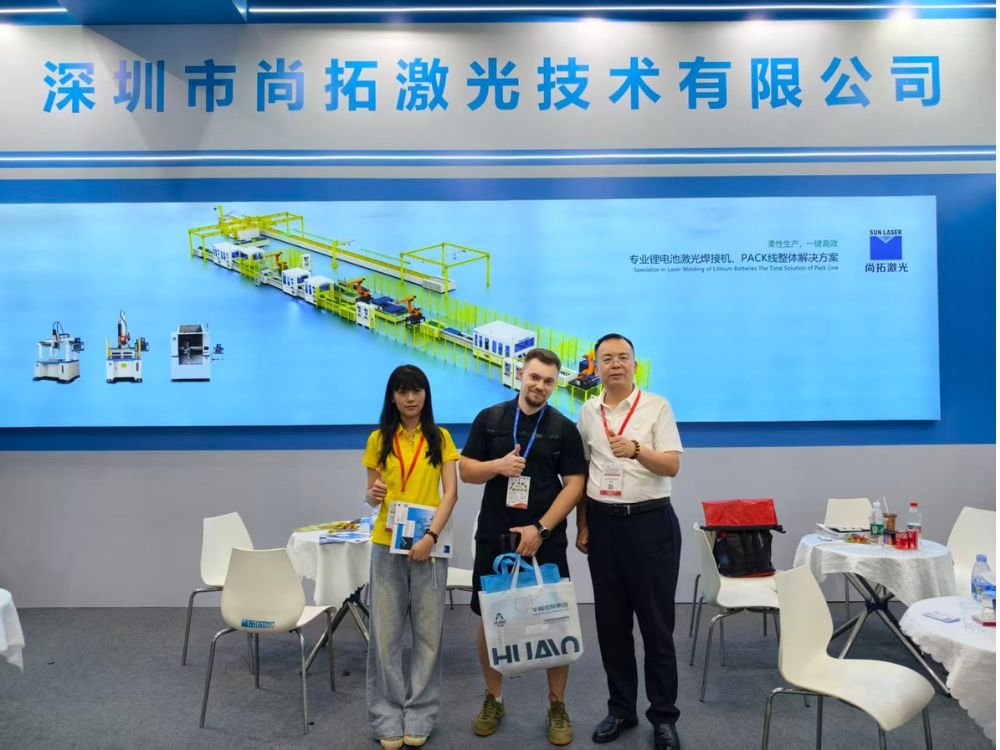
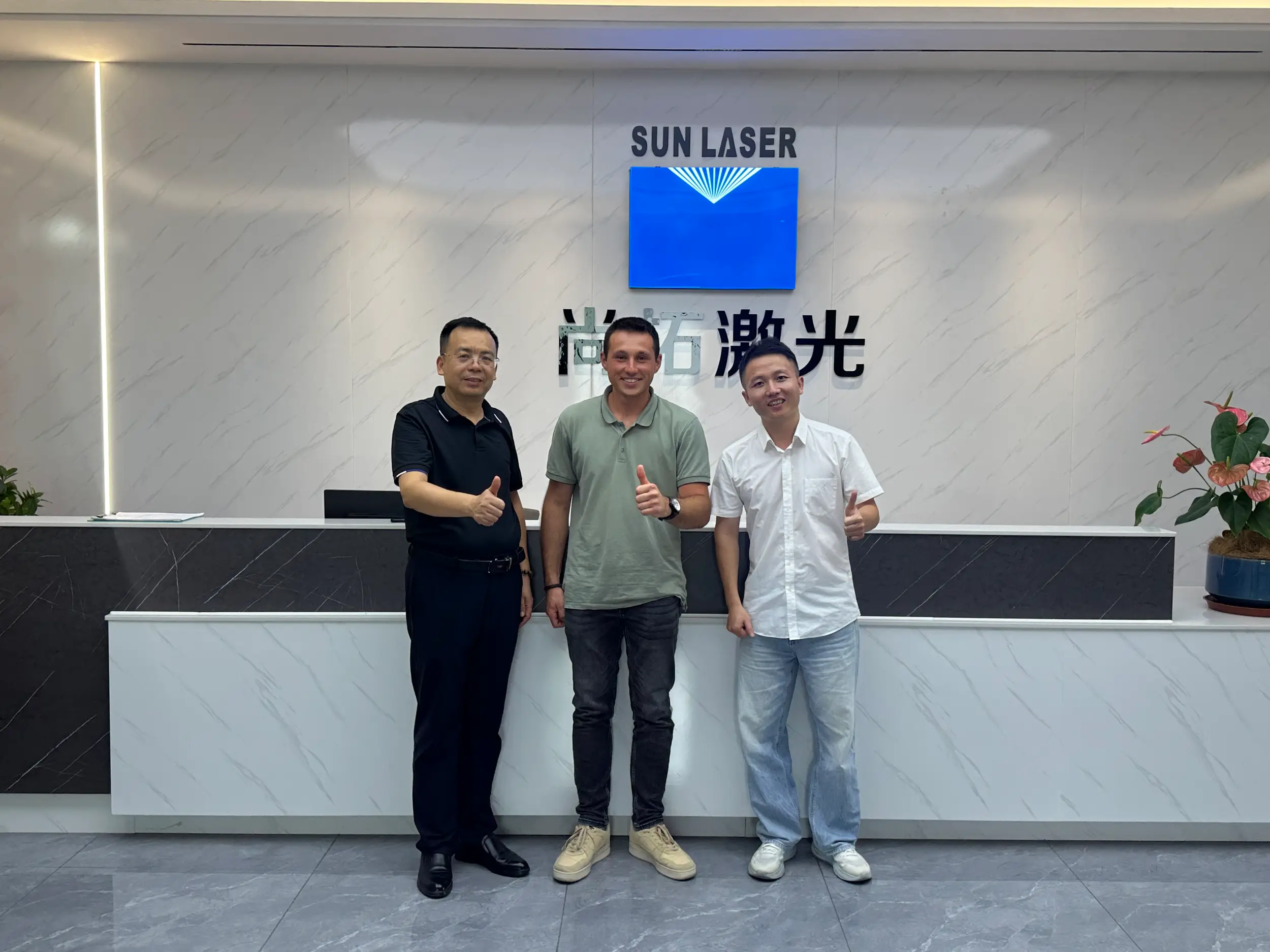
Customer Visits & Project References
Positioning, Welding & Process Verification
Find the Right Welding Position
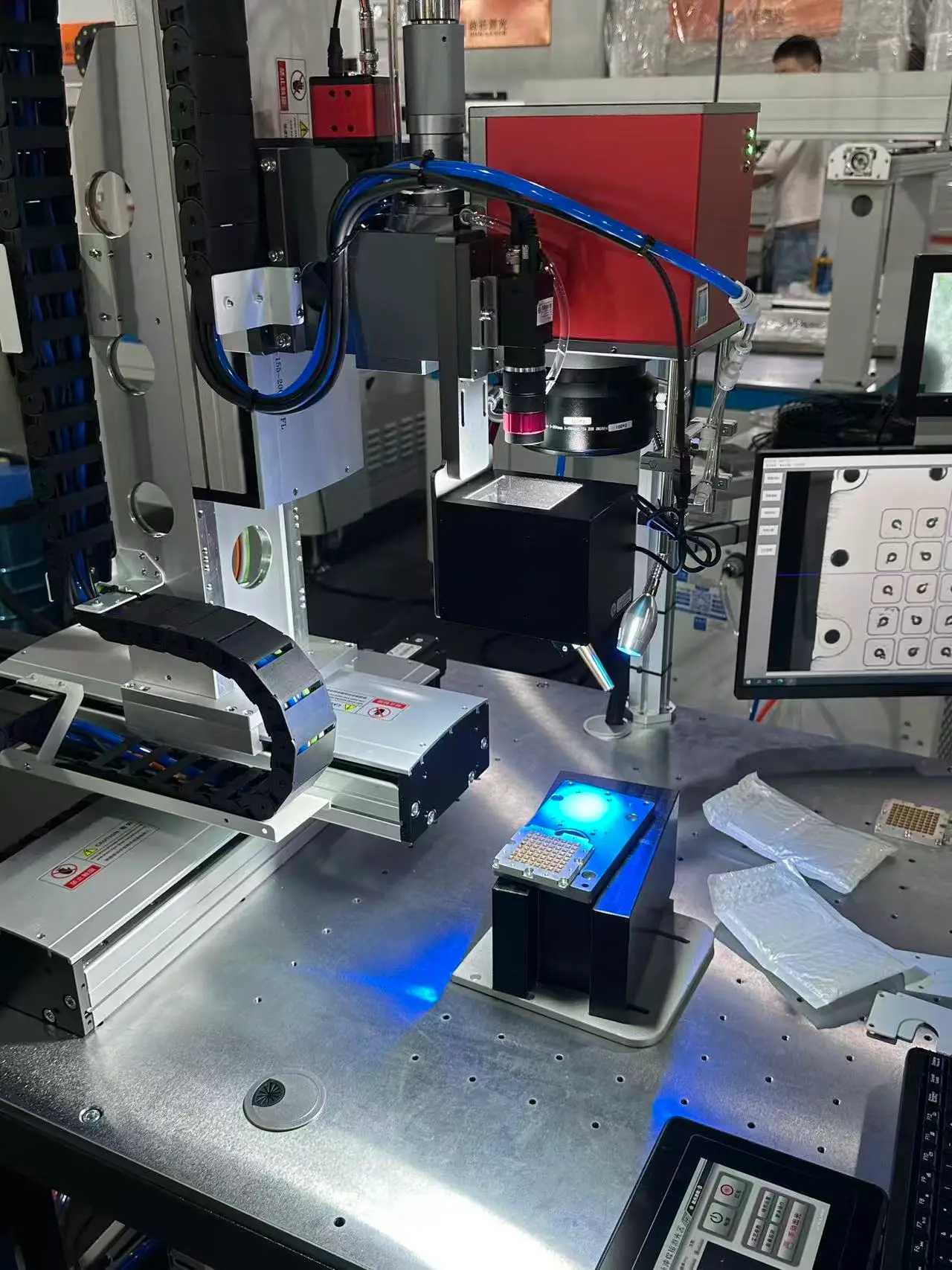
Reliable joint access starts with the right fixture and positioning method. Review what the proposed camera and sensing systems can measure, which corrections they support, and how they work with your part tolerances.
Confirm before selection:
- The features used to locate each welding position
- Any required position or height correction
- Fixture, calibration and setup responsibilities
Review the Welding Process Before Finalizing the Machine
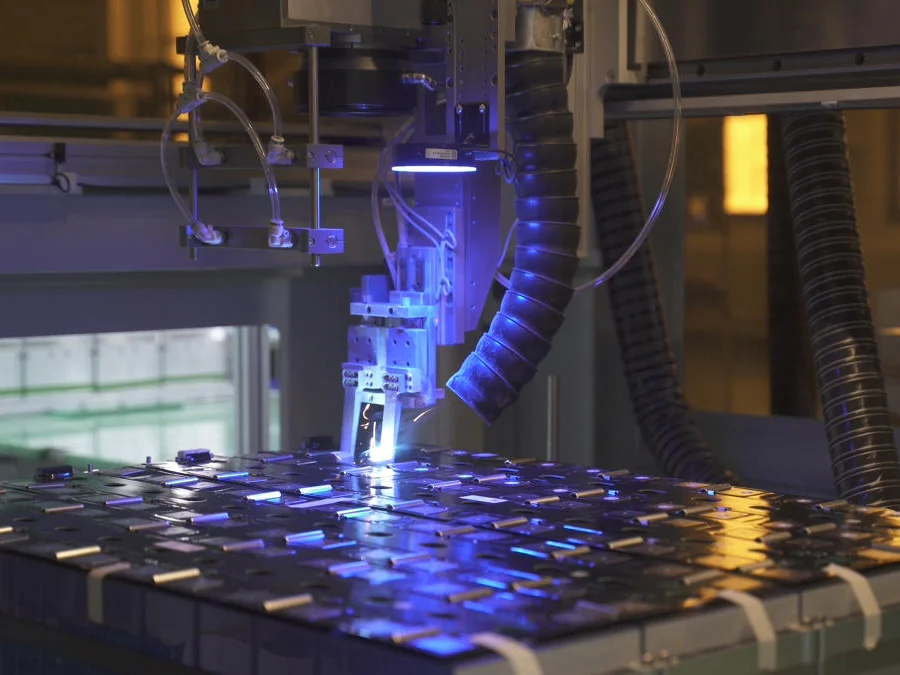
Material, coating, thickness and joint design determine what needs to be evaluated. Share your connection details first so the equipment scope and any required sample trials can be discussed together.
- Share your application: drawings or clear photos, materials, thicknesses and target output.
- Agree on evaluation criteria: identify the appearance, strength or electrical checks relevant to your connection.
- Review the findings: discuss the results of any agreed sample trials and the implications for tooling, positioning and the full production cycle.
Questions Before Starting Your Battery Project
Not sure about laser power, product compatibility or cycle time? These questions help define the application before a machine is recommended.
Which laser power do I need?
Power selection depends on the materials, thicknesses, joint design and production requirements.
Share these details first so the proposed power and welding process can be assessed together.
Can one machine weld different battery models?
That depends on the working range, tooling, positioning method and validated processes.
Define the intended product range and the changeover work before confirming the configuration.
How fast can it weld?
Production cycle time includes loading, positioning, welding, inspection and unloading.
The useful comparison is the complete cycle for your product under agreed operating conditions.
What do you need to prepare a quotation?
Start with a drawing or clear photos, connection materials and thicknesses, and your target output.
Add any requirements for automation, inspection or integration with existing equipment.
Get a Machine Recommendation for Your Battery Project
Tell us your connection materials, joint dimensions and target output. These details help us review the application and discuss a suitable machine configuration.